What is cross-collateralisation and why do mortgage brokers advise against it?
Cross-collateralisation links two or more properties as one loan's security. Here's what it means, when it's used, and why brokers often flag the risks.

What is cross-collateralisation?
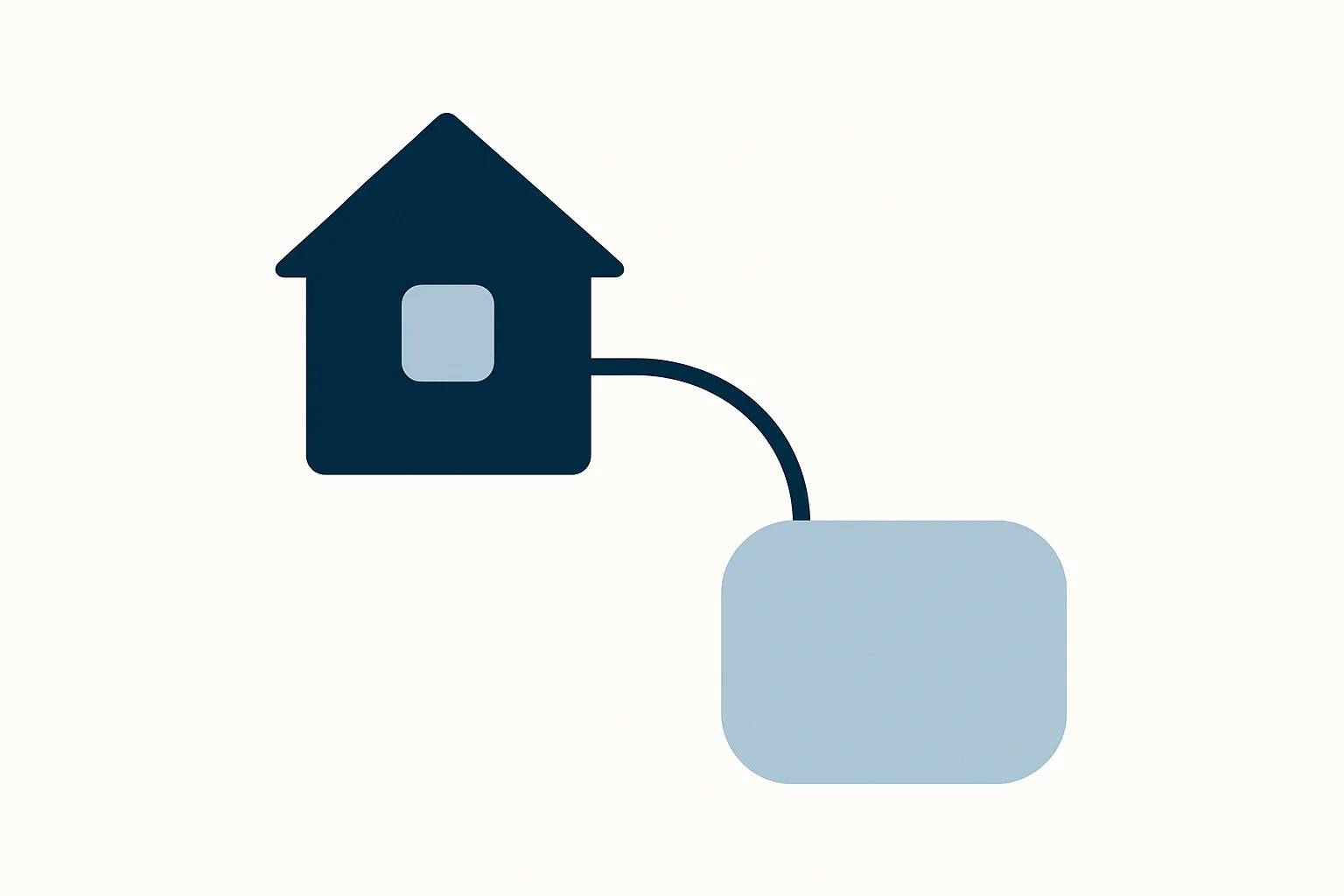
Cross-collateralisation is a lending structure where two or more properties are used together as combined security for one loan, or for a group of linked loans — instead of each property standing alone as security for its own separate loan.
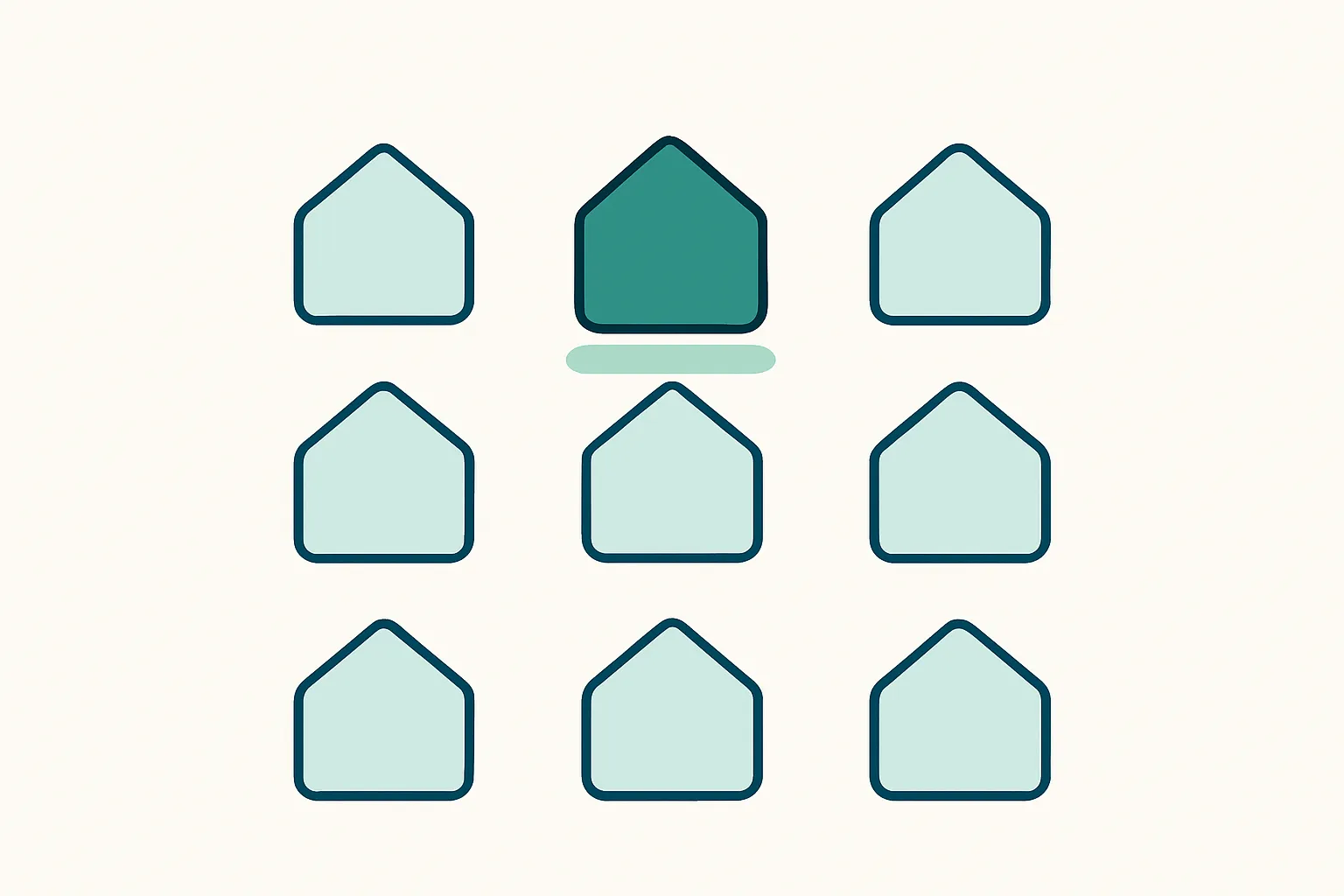
Picture two setups side by side. In a stand-alone arrangement, your home secures your home loan, and your investment property secures its own loan. Sell or refinance one, and the other isn’t touched. In a cross-collateralised arrangement, the lender’s security sits across both properties at once, even though you might think of them as two separate loans.
The term itself isn’t defined in plain-English regulator guidance — Moneysmart’s glossary explains “collateral” generally but doesn’t have a “cross-collateralisation” entry. So it helps to work from the mechanics rather than a textbook definition: it’s about how the security is structured, not about interest rates, fees, or which lender you use.
How is cross-collateralisation different from a stand-alone loan?
The practical differences show up when something changes — you want to sell, refinance, or release one property from the loan.
| Stand-alone security | Cross-collateralised security | |
|---|---|---|
| What secures each loan | Each property secures only its own loan | Two or more properties secure one loan, or a linked group of loans |
| Selling one property | The lender releases security on that property when the loan tied to it is repaid | The lender typically reviews the value and status of the remaining linked property before releasing anything |
| Refinancing one property | Can usually be refinanced on its own, with a new lender if you choose | Often means unwinding or reassessing the whole linked structure first |
| Separation between home and investment | Risk on one property generally stays with that property | A shortfall or valuation drop on one property can affect the lender’s position on the other |
Exactly how this plays out is set contract by contract and lender by lender — loan agreements differ, so this table describes the general shape of the two structures, not any one lender’s specific process.
When does cross-collateralisation usually come up for property investors?
The scenario comes up most often when an investor uses the equity in an existing property — commonly the family home — as additional security for a new investment property loan, rather than relying only on a cash deposit.
One reason this gets structured this way: Lenders Mortgage Insurance (LMI) is usually payable once the amount you’re borrowing passes 80% of the property’s value (loan-to-value ratio, or LVR). Offering a second property as extra security is one way a loan can be structured to keep the LVR on the new borrowing under that 80% mark, rather than paying LMI. There’s no standard published LMI premium — insurers price it individually — so if you’re weighing that cost against linking two properties as security, that’s a case-by-case comparison rather than a fixed number you can look up.
Why do mortgage brokers often advise against cross-collateralising?
A few recurring themes show up in why brokers flag this structure as worth thinking twice about:
- It can make selling or refinancing one property more complicated. Because the lender’s security spans more than one property, discharging or refinancing just one usually means the lender first reviews the remaining linked debt and security — not a formality you’d hit with a stand-alone loan.
- It reduces the separation between your home and your investment property. If the investment property’s value falls or the loan on it runs into trouble, the combined security position can draw your home into that picture too.
- It can lock you into one lender for both properties. Unwinding cross-collateralised security to switch lenders on a single loan is typically a bigger exercise than refinancing one stand-alone loan.
None of this means cross-collateralisation is always the wrong call — for some borrowers the convenience of one combined facility, or avoiding LMI, outweighs the loss of flexibility. It’s a trade-off between the two structures, and the right answer depends on your own finances, your plans for each property, and how much you value being able to deal with one property independently of the other. That’s a conversation for a mortgage broker or lender who can look at your actual loan structure — this article explains the general shape of the trade-off, not what you personally should do.
What are the alternatives to cross-collateralising your properties?
If keeping your properties’ security separate matters to you, a few options come up in practice:
- Stand-alone loans, one lender or several. Each property secures only its own loan. You can keep both loans with the same lender or split them across different lenders — either way, the securities stay separate.
- A larger cash deposit instead of using equity as security. This avoids linking a second property at all, though it means more of your own money going in up front.
- Paying LMI rather than adding security. As above, there’s no published standard premium — Helia’s LMI fee estimator is a tool for getting an illustrative figure for your own numbers, not a fixed market rate.
- Gaining property exposure without a property loan at all. Buying a fractional interest (a Brix) in a property is a different way to hold property exposure — it doesn’t involve borrowing against your existing home as security, because you’re not taking out a property loan in the first place. See how Brix investing works if that’s a structure you want to understand alongside the loan-based options above.
Questions worth asking before you agree to cross-collateralised security
A short list to take into a conversation with a mortgage broker or lender:
- If I sell this property, what happens to the loan and security on the other one?
- Can either loan be refinanced or discharged on its own, without touching the other property?
- Is my home part of this security — and if the investment property’s value falls, what does that mean for my home loan?
- What would it actually take to unwind this structure later, if I wanted each property on its own loan?
- Have I compared the cost of LMI against the cost — in flexibility — of linking a second property as security?
These are general questions, not a checklist that guarantees a particular outcome — responsible lending obligations apply the same way to investment property loans as they do to owner-occupier loans, but exactly how a lender structures and reviews cross-collateralised security is set by that lender’s own policies and your specific loan documents.
For the broader picture of how property investment financing, costs and risk fit together, see our guide to property investment in Australia.