
What Are the Risks of Off-the-Plan Property Valuations Falling Short at Settlement?
Off-the-plan contract prices are fixed at exchange; lender valuations aren't. Here's what a settlement shortfall means for your loan and your options.

What is the off-the-plan stamp duty concession in Victoria?
How Victoria's off-the-plan stamp duty concession reduces dutiable value, who it can apply to, and where investors check current eligibility.

How Does Buying an Off-the-Plan Apartment Compare to an Established Townhouse?
Off-the-plan apartments and established townhouses differ on settlement risk, depreciation, land content and CGT — factors to weigh, not a pick.

What Are the Differences in Lease Terms, Yields and Risks for Commercial Real Estate?
Commercial leases, yields and risk work differently to residential — how lease structure, the yield formula and tax treatment actually compare.

Should I Invest in Commercial Property or Residential Property in Australia?
Neither is universally better. Compare financing, tenancy law, tax settings and access for commercial vs residential property — sourced, not a verdict.

What Is the 'Serviceability Ceiling' and How Do I Overcome It?
Your serviceability ceiling is the point a lender's income-and-expense test says you can't borrow more. Here's how it's assessed and what can shift it.

How Do I Build a Multi-Property Portfolio Without Getting Stuck on Borrowing Power?
Borrowing power, not ambition, caps most property portfolios. What shapes it across multiple properties, and where fractional exposure fits in.

What Is Co-Ownership or Fractional Investing, and How Does It Work in Australia?
Co-ownership means holding legal title jointly; fractional investing means buying an economic interest with no title. How each works, explained.

Should I Buy an Investment Property Under My Own Name or a Company Name?
Buying under your own name or through a company changes your CGT discount, negative gearing and land tax position. Compare the options — then get advice.

How Are Rental Profits and Capital Gains Taxed Inside a Discretionary Trust?
A discretionary trust isn't taxed on rental profit or gains itself — the presently entitled beneficiary is. How it works, and what changes from July 2027.

What Are the Pros and Cons of Using a Family Trust to Buy Property in Australia?
A family trust changes who's taxed, how losses and land tax work, and CGT — the trade-offs for an investment property, as at July 2026.

Is SMSF Property Borrowing Ending or Restricted in 2026-2027?
SMSF property borrowing isn't ending. From 10 Aug 2026, new LRBAs must be business real property, not residential — what changes and what doesn't.

What Are the Borrowing Rules (LRBA) for SMSF Property Investment?
How SMSFs can borrow to buy property under a Limited Recourse Borrowing Arrangement (LRBA) — the rules, the structure, and a 2026 law change, explained.

Can I Buy an Investment Property Through a Self-Managed Super Fund (SMSF)?
Yes — an SMSF can buy an investment property, but the sole purpose test, in-house asset rules and strict borrowing limits all apply first.

What is Debt Recycling and How Do I Use It to Buy Investment Properties?
Debt recycling turns non-deductible home debt into deductible investment debt. How the strategy, loan structure and tax rules work, as at July 2026.

Are Pets Allowed in Rental Properties Under NSW and Victorian Tenancy Laws?
NSW and Victoria both default toward allowing pets, but differ on refusal: Victorian landlords apply to VCAT; NSW tenants dispute at NCAT.

How can I add value to my investment property to increase rental income?
Ways landlords can lift rental income — condition, compliance, added space and tax treatment — factors and sources, not predicted returns.

What Are the Rules Around Routine Property Inspections in Australia?
Routine rental inspections are governed state by state, not nationally. Here's the confirmed framework — which Act applies and who regulates it.

How Do I Handle a Tenant Who Falls Into Rental Arrears or Refuses to Pay?
Rental arrears run on your state's tenancy law, not self-help. The general process, plus bond, landlord insurance and property-manager options.

What Are My Legal Obligations as a Landlord for Urgent Repairs in NSW and Victoria?
NSW and Victoria both require landlords to act on urgent repairs faster than routine ones. Here's how the two Acts differ and where to check current rules.
How Often Can I Legally Increase the Rent on My Investment Property?
Rent-increase limits and notice periods are set by state tenancy law, not one national rule. Here's what decides the answer, and where to check it.

What Is Landlord Insurance and What Does a Good Policy Cover in Australia?
Landlord insurance is an optional cover for rental properties. Its legal scope, what a good policy includes, and how it differs from building cover.
How Do Property Managers Screen and Select High-Quality Tenants?
How property managers screen tenants: applications, income checks, references, tenancy databases, and the privacy/anti-discrimination limits that apply.

What Are the Typical Fees Charged by Property Managers in Australia?
Property manager fees aren't government-set — they're negotiated. What REIQ data shows by state, other charges to expect, and how to compare agents.

Should I Use a Professional Property Manager or Self-Manage My Rental Property?
No single answer fits every landlord. What a property manager does, REIQ's fee data, and the factors that decide self-managing instead.

How Do I Dispute a High Land Tax Valuation From the Valuer-General?
Every state lets you object to a high land tax valuation, but the deadline, grounds and process are state-specific and not fully verified here.

What Is the Land Tax Threshold in New South Wales for Residential Properties?
NSW land tax threshold explained: the current tax-free amount, how the scale above it works, and why it matters if you hold investment property.

Do I pay stamp duty on an investment property, and are there concessions?
Yes, investment properties attract standard stamp duty in every state. Most concessions are for owner-occupiers, not investors. Here's how it works.

How Do Council Rates and Strata Levies Affect My Investment Cash Flow?
Council rates and strata levies are recurring owner costs that reduce rental cash flow year-round. How each works, tax treatment, and how land tax differs.

What Are the Short-Stay Accommodation Levies in Victoria and How Do They Apply?
Victoria applies a state levy to short-stay accommodation bookings — the structure, what's confirmed, and where to check current settings.

What Are the Penalties for Incorrectly Claiming a PPR Land Tax Exemption in Victoria?
Wrongly claiming Victoria's home land tax exemption can trigger reassessment, penalty tax and interest. Here's what's confirmed, as at July 2026.

Can a Seller Pass Their Land Tax Liability Onto a Buyer in Victoria?
Land tax in Victoria is assessed to the owner. Victorian law restricts passing it to a buyer below a $10m purchase price — what applies and when.

How Does Owning Land in Different States Affect My Land Tax Threshold?
Land tax thresholds are set by each state separately, not nationally. Here's how owning land in more than one state changes what you owe.

What Is the Foreign Purchaser or Absentee Owner Land Tax Surcharge in Australia?
A foreign purchaser duty surcharge is a one-off state stamp duty; an absentee owner land tax surcharge is separate and annual. Here's how they differ.

Does NSW Have a Vacant Property Tax or Similar Land Tax Surcharges?
NSW has no confirmed vacant-property tax like Victoria's VRLT, but it does charge ordinary land tax and a 9% foreign purchaser surcharge duty.

How Is Land Tax Calculated on Investment Properties in Victoria in 2026?
Victoria taxes land above $50,000 in value, plus a COVID-19 debt surcharge on top. Here's how the current thresholds and bands work, as at July 2026.

What Is the Vacant Residential Land Tax (VRLT) in Victoria, and How Do I Avoid It?
Victoria's Vacant Residential Land Tax has no threshold and rises with each vacant year. Here's how it's assessed, and the exemptions that can apply.

What Is the Victorian COVID Debt Land Tax Surcharge and When Does It End?
Victoria adds a COVID debt surcharge on top of ordinary land tax — a flat fee, more for bigger holdings. Here's how it's calculated and when it ends.

Best Australian Cities for Property Investment in 2026
A city-by-city comparison of Australian property investment markets — the factors, the figures behind them, and where professional advice fits.

Fractional Property Investing: The Smarter Way to Build a Diversified Portfolio
How fractional property investing works, what diversification across multiple properties means in practice, and how the Property Laddr model applies it.

Can I Claim the Cost of a Quantity Surveyor as a Tax Deduction?
Quantity surveyor reports unlock depreciation claims on rental property. Here's what's confirmed about Division 40/43 — and what still needs a tax agent.

Tokenised Real Estate Explained: How Blockchain Is Transforming Property Ownership
How blockchain records fractional property ownership, what it changes for settlement and access, and how Property Laddr uses tokenisation.

What Is Land Tax and Who Is Required to Pay It in Australia?
Land tax is an annual state tax on land value above a tax-free threshold. Here's who pays it, how thresholds differ by state, and what's exempt.

How Do I Keep Tax-Compliant Records as a Property Investor in Australia?
What property investors need to keep for the ATO — income, expenses, depreciation and CGT records — how long, and how it differs by ownership structure.

Are Property Management Fees and Landlord Insurance Tax Deductible in Australia?
Property management fees and landlord insurance are generally deductible rental expenses in Australia. How the deduction works and what changes in 2027.
Can I Claim Interest on My Investment Loan If I Redraw Money for Personal Use?
Redrawing an investment loan for personal use can cost you part of the interest deduction. The ATO's purpose test and apportionment, as at July 2026.

What Are the Ongoing Holding Costs of an Investment Property That Are Tax Deductible?
Interest, depreciation, land tax and management fees: how ongoing rental property costs are tax deductible under current ATO rules, as at July 2026.
How Does a PAYG Withholding Variation Help My Investment Property Cash Flow?
A PAYG withholding variation spreads a negative gearing tax benefit into each pay cycle for cash flow, instead of one annual refund. Here's how.

What is the difference between a repair and an improvement for tax?
A repair restores existing wear and tear; an improvement makes a property better. How the two are treated differently for tax, and why it matters.

Can I Claim Repairs and Maintenance as an Immediate Tax Deduction on Rental Properties?
Repairs and maintenance can be immediately deductible on a rental property, but the improvement line is fact-specific. What is verified, and what to check.

How do I get a tax depreciation schedule and why is it worth it?
A tax depreciation schedule lists the building and asset deductions you can claim on a rental property — what's in it, who's affected, and how to get one.

What Are 'Capital Works' Deductions vs 'Plant and Equipment' Depreciation?
Capital works (Division 43) depreciates the building itself; plant and equipment (Division 40) depreciates separate assets. Both, explained and sourced.

Can I Claim Travel Expenses to Inspect My Investment Property in Australia?
Travel to inspect, maintain or collect rent from a rental property is generally no longer tax-deductible in Australia. Here's the current position.

Australian Property Market Outlook 2026
A capital-city by capital-city look at Australian property market conditions, the data behind them, and what the figures do and do not tell an investor.

What Expenses Can I Claim as an Immediate Tax Deduction on My Investment Property?
Rental property expenses split into three tax categories — only one is claimed straight away. Here's the difference, as at July 2026.

Are There Any Changes to Negative Gearing Rules for Established Properties in 2027?
Yes — a 2027-28 quarantine on negative gearing covers established properties too, with narrow grandfathering and exemptions. Here's what changes.

What Is Negative Gearing and How Does It Work for Australian Property Investors?
Negative gearing is when a rental property's costs exceed its income. How the loss is treated under current law, and what changes from 2027-28.
Should I Use an Investment Mortgage Broker or Deal Directly With Lenders?
Both a broker and a direct lender can arrange an investment property loan. Here's how the two paths differ, and the factors that actually matter.

Can I Get Pre-Approval for an Investment Home Loan, and How Does It Work?
Yes, but lenders shade rental income and add a buffer for investment loans. Here's how investment loan pre-approval actually works.

What Are the Upfront Costs of Buying an Investment Property in Australia?
Deposit, LMI, stamp duty, conveyancing and inspections all land before settlement — the full list, sourced to Moneysmart and state revenue offices.
How Does a Split Loan Strategy Work for a Property Investment Portfolio?
A split loan divides one facility into fixed, variable, IO or P&I portions. How portfolio investors use splits, what they cost, and the factors to weigh.

How do I set up a stand-alone investment loan to protect my home?
A stand-alone loan is secured only by the investment property, not your home. How cross-collateralisation works, and the trade-offs of separating loans.
What is cross-collateralisation and why do mortgage brokers advise against it?
Cross-collateralisation links two or more properties as one loan's security. Here's what it means, when it's used, and why brokers often flag the risks.
How Is Rental Income From an Investment Property Factored Into My Borrowing Power?
Lenders don't count 100% of expected rent. Here's the rental income shading, HEM benchmarks and rate buffer that shape your borrowing power.

How Do Banks Calculate My Borrowing Capacity for an Investment Loan?
Lenders combine shaded rental income, a 3+ point rate buffer and benchmarked expenses to test investment-loan serviceability. The verified framework.
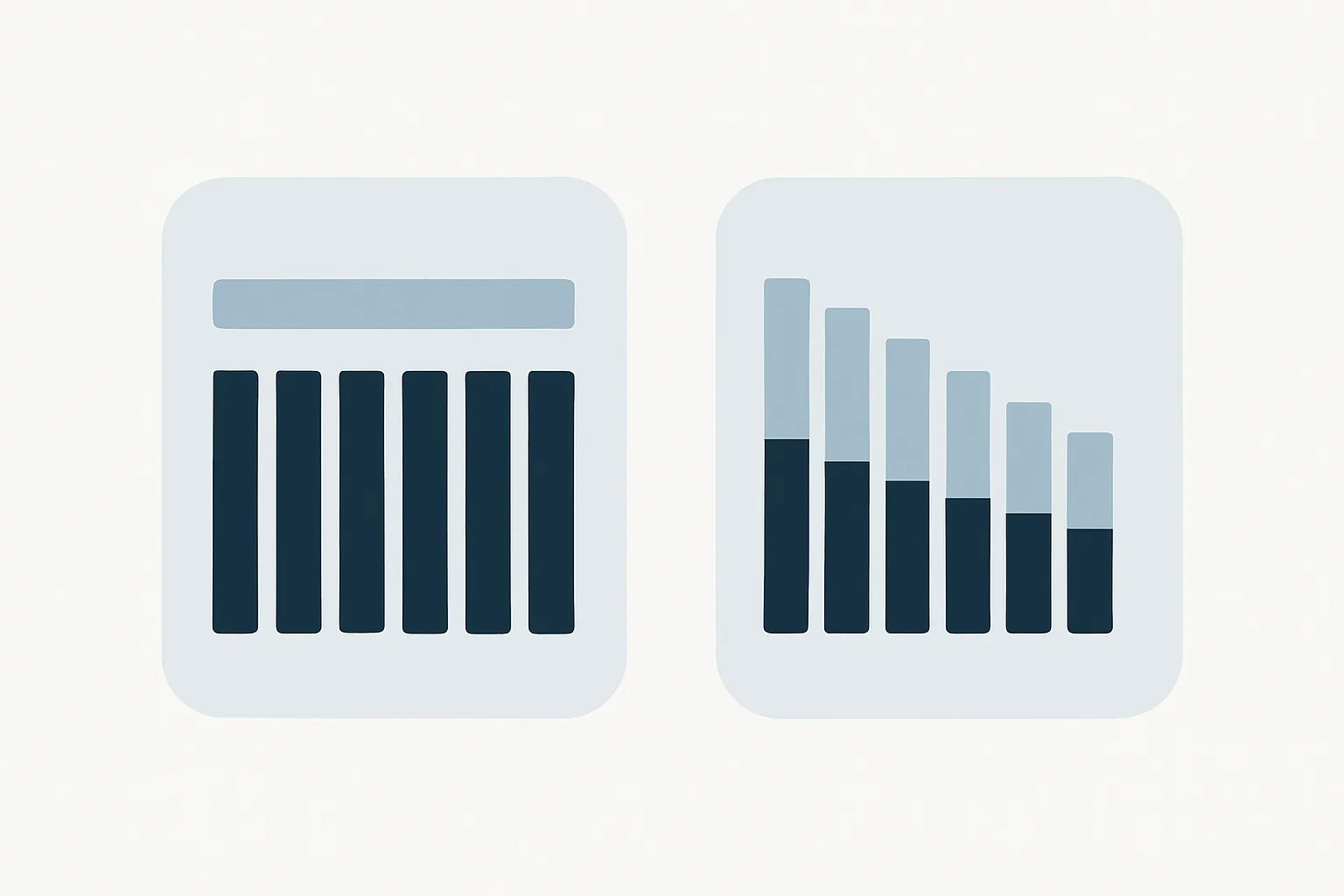
Should I choose an interest-only or principal and interest loan for investment?
Interest-only lowers investment loan repayments now but doesn't reduce your balance. How it compares with principal and interest, and what changes later.

Are Investor Interest Rates Higher Than Owner-Occupier Rates in Australia?
Yes — RBA data shows investor home loan rates run about 0.2 percentage points above owner-occupier rates, on average. Here's the gap and why it exists.

What Is the Minimum Deposit Required for an Investment Property Loan in Australia?
There's no legislated minimum deposit for an investment property loan. Here's how LVR, LMI and lender policy set the amount you need.

How Is Equity Calculated in a Residential Property, and How Do I Access It?
How equity in a residential property is worked out, what limits how much you can borrow against it, and the main ways investors access it.

Can I Use the Equity in My Own Home as a Deposit for an Investment Property?
Yes, many lenders let you use equity in your home toward an investment property deposit. How usable equity, LVR and the risks actually work.

How Do I Finance My First Investment Property in Australia?
Deposits, LVR and LMI, loan serviceability, loan structures, negative gearing and ownership options for financing a first investment property.

What Is the Difference Between an Owner-Occupier and an Investor Mindset in Real Estate?
An owner-occupier buys a home to live in; an investor buys for cash flow, tax and exit strategy. How the two mindsets differ, in five practical areas.

How Do I Identify a Property Hotspot Before Prices Begin to Surge?
No indicator can reliably call a property hotspot in advance. Here are the leading signals, data sources, and why timing them is harder than it looks.

How Does Historical Property Growth Compare to the Stock Market in Australia?
There's no safe single figure for this. Here's why property-vs-shares comparisons mislead, what really differs, and where to check verified data.

What Are the Risks of Investing in Regional Australian Property Markets?
Regional property investing carries different risks to metro markets — thinner buyer and tenant pools, cost swings, and financing checks to run first.

How Do Public Transport and Local Schools Affect Rental Demand and Property Value?
Public transport access and school catchments are widely-cited demand factors, not price guarantees. The data sources to check, and where advice fits.

Should I Buy an Investment Property in Brisbane, Sydney, or Melbourne?
No one can responsibly tell you which of Brisbane, Sydney or Melbourne is the better investment. Here's the data and state-based factors to check instead.

What Are the Signs of a Gentrifying Suburb to Look For When Property Shopping?
No one can tell you a suburb is gentrifying while it happens. Here are the observable signs and the ABS, planning and vacancy data to check for yourself.

How Do Local Vacancy Rates Affect My Property Investment Strategy in Australia?
A local vacancy rate shows how much rental stock sits empty. Here's what it means for cash flow and rent, and where to check the data yourself.

What Is the 'Days on Market' (DOM) Metric and Why Does It Matter to Investors?
Days on market measures how long listings take to sell in an area. Here's what a rising or falling DOM can — and can't — tell an investor.

Is It Better to Buy a House, a Townhouse, or an Apartment for Investment?
No property type is universally better. Compare houses, townhouses and apartments on land, strata costs, maintenance, tenant demand and depreciation.

How Do I Research the Australian Property Market to Find High-Growth Suburbs?
No source can tell you which suburb will grow. Here's the data — ABS, state planning, vacancy rates — and the method investors and buyer's agents use.

What Is Cash Flow Positive Property vs Negatively Geared Property?
Cash flow positive means rental income exceeds costs; negative gearing means costs exceed income. As at July 2026, here's how each is taxed.

How Do I Calculate Rental Yield (Gross vs Net) for an Investment Property?
Gross rental yield = annual rent ÷ property value × 100. Net subtracts expenses first. Here are both formulas, sourced, with a worked example.

Should I Focus on Capital Growth or High Rental Yield for My First Investment?
Capital growth and rental yield pull in different directions. Here's how to weigh the trade-off for a first investment property — factors, not a verdict.

What Is Property Investment and How Do I Build Wealth With Real Estate in Australia?
Property investment is buying real estate for rental income and capital growth. How the mechanics, costs and risks work in Australia.